seismic wire plays a crucial role in the field of earthquake detection and monitoring. It is an essential component of seismometers, which are instruments used to measure and record seismic waves caused by earthquakes. The data collected by these seismometers helps scientists and researchers better understand the earth’s structure and behavior, as well as assess the risks associated with earthquakes. In this article, we will explore the importance of seismic wire in earthquake detection and monitoring.
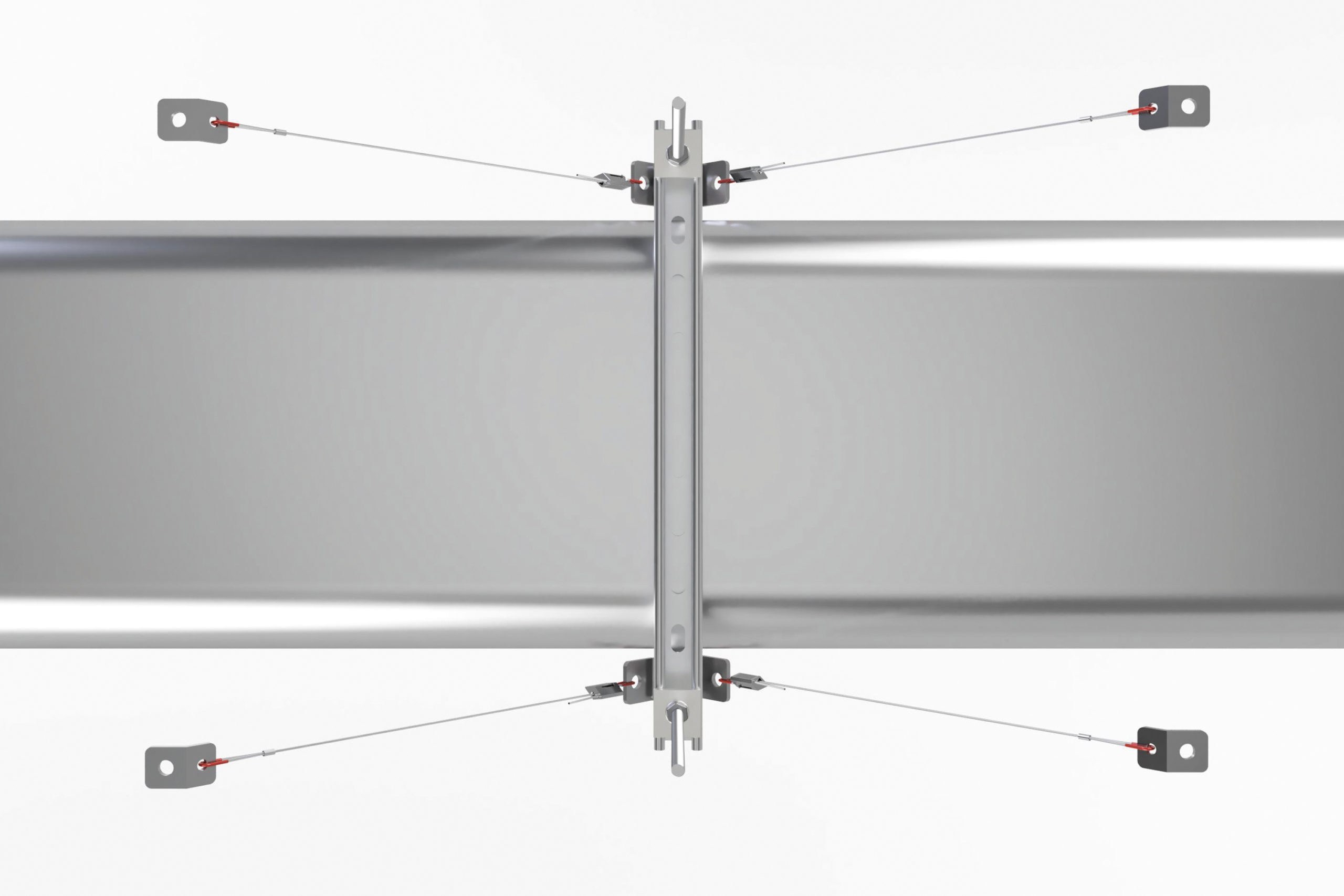
seismic wire is typically made of metal, such as stainless steel or copper, and is used to connect various components of a seismometer. One of the key components it connects is the seismometer’s sensor, which is designed to detect ground motion caused by seismic waves. When an earthquake occurs, seismic waves travel through the earth and cause the ground to move. The sensor picks up these movements and converts them into electrical signals, which are then transmitted through the seismic wire to a data recorder.
The seismic wire plays a critical role in ensuring that these signals are accurately transmitted from the sensor to the data recorder. It must be able to withstand the intense shaking and vibrations caused by earthquakes without being damaged or breaking. This is why seismic wire is typically made of strong and durable materials that can withstand the rigors of earthquake events.
In addition to connecting the sensor to the data recorder, seismic wire is also used to connect multiple seismometers in a network. This allows scientists and researchers to monitor seismic activity over a larger area and obtain more comprehensive data on earthquake events. The data collected by these networks can help to pinpoint the location and magnitude of earthquakes, as well as track their propagation and aftershocks.
seismic wire is also used in the construction of underground arrays, which are networks of seismometers buried underground to monitor seismic activity below the surface. These arrays are crucial for detecting and studying earthquakes that originate deep within the earth, such as those caused by tectonic plate movements. The seismic wire in these arrays must be buried deep underground and capable of transmitting signals over long distances to ensure accurate data collection.
Another important use of seismic wire is in the construction of ocean-bottom seismometers, which are deployed on the seafloor to monitor seismic activity in the ocean. These seismometers are equipped with long lengths of seismic wire that connect them to buoys on the surface, which then transmit the data back to monitoring stations on land. This technology is essential for studying underwater earthquakes and tsunamis, as well as monitoring the seismic activity along tectonic plate boundaries under the ocean.
Overall, seismic wire plays a crucial role in earthquake detection and monitoring by enabling the transmission of data from seismometers to data recorders and monitoring stations. Its durability, strength, and reliability are essential for ensuring the accuracy and reliability of seismic data collected during earthquake events. Without seismic wire, scientists and researchers would not be able to accurately detect, monitor, and study earthquakes, which are crucial for understanding the earth’s dynamics and assessing the risks associated with seismic activity.
In conclusion, seismic wire is a vital component of seismometers and seismic monitoring networks that play a crucial role in earthquake detection and monitoring. Its ability to transmit data accurately and reliably in the face of intense shaking and vibrations is essential for gathering crucial information about earthquakes and their impact on the earth. The data collected with the help of seismic wire helps to advance our understanding of earthquakes and improve our ability to mitigate their risks.